Find Out About the Important Services Delivered by Professional Roofing Specialists
Roofing professionals present a variety of vital services created to protect and enhance roof longevity. Complete inspections help discover defects early, while skilled repairs address leaks and storm damage quickly. In addition, they supply complete installations and upgrades for increased durability and energy efficiency. With a focus on preventive maintenance, these specialists ensure roofs function at peak performance. But what particular services can truly make improvements to your roofing needs?
Complete Roofing Assessments
When property owners prioritize the longevity of their roofs, thorough roof assessments prove vital. These inspections serve as a proactive measure to identify potential issues before they develop into expensive fixes. Skilled roofing specialists utilize specialized tools and techniques to assess the condition of the roof, examining materials, drainage systems, and flashings.
During a detailed inspection, they check for signs of wear, damage, or aging that might compromise the roof's integrity. This careful process not only confirms that the roof remains watertight and structurally sound but also helps in extending its longevity.
Property owners benefit from receiving detailed reports outlining findings and recommendations, enabling informed decisions concerning maintenance or necessary upgrades. Eventually, regular roof inspections promote peace of mind, ensuring that the home remains protected against harsh weather conditions and prolonging the investment in the property.
Professional Roof Repairs
Professional roof repairs address a variety of common issues, from leaks to structural damage. Knowing the correct repair techniques is crucial for recovering a roof's integrity and increasing its lifespan. Quick repairs not only avoid further damage but also preserve the overall value of the property.
Common Roof Issues
While roofs are engineered to endure multiple environmental challenges, they often encounter complications that demand professional repairs. Common problems include leaks, which can result from damaged shingles or flashing, leading to water infiltration and potential structural damage. Wind and hail can cause significant physical damage, displacing tiles or creating dents that weaken the roof's integrity. In addition, the accumulation of debris can result in water pooling, enabling mold growth and further deterioration. Inadequate ventilation may lead to overheating in attic spaces, find guide producing premature wear on roofing materials. Homeowners should also be attentive about signs of aging roofs, such as curling or missing shingles. Identifying these problems early is vital for maintaining the roof's longevity and safeguarding the home's overall structure.
Repair Methods Explained
Understanding the different repair approaches is vital for homeowners dealing with roof problems. Professional roofing experts utilize several approaches to address specific problems effectively. One common technique is patching, which involves installing a durable material over damaged areas to stop leaks. Another technique is roof flashing repair, where metal strips are secured around chimneys and vents to seal gaps. For more significant damage, specialists may suggest re-roofing, which requires layering new shingles over existing ones. Additionally, expert roofers often employ sealants to waterproof exposed areas. Each approach is adapted to the specific type of roof and the extent of the damage, ensuring that the repairs are both effective and long-lasting. Knowledge of these methods assists homeowners in making informed decisions concerning their roof maintenance.
Value of Prompt Repairs
Timely repairs play a vital role in maintaining the integrity of a roof. When slight issues, such as leaks or missing shingles, are handled swiftly, they can avoid more severe damage and costly replacements in the future. Overlooking these problems often results in water infiltration, structural damage, and mold growth, which compromise the safety and longevity of the entire home. Professional roofing specialists emphasize the importance of regular inspections and maintenance to identify potential issues early. By investing in prompt repairs, homeowners not only preserve their property but also increase its value. A well-maintained roof supports energy efficiency, ensuring that heating and cooling systems function effectively, ultimately saving homeowners money on utility bills.
Total Roof Installation Projects
Comprehensive roof installations need thorough consideration of multiple roofing materials, with each offering distinct benefits and aesthetics. The installation process involves multiple steps, ensuring that the roof is both durable and visually pleasing. Knowing these elements is crucial for attaining a successful roofing project.
Types of Roofing Materials
Choosing the right roofing material is crucial for any complete roof installation, as it directly influences the structure's durability, aesthetics, and energy efficiency. Various materials are available, each offering distinctive benefits. Asphalt shingles are popular due to their affordability and versatility, while metal roofing is prized for its longevity and resistance to extreme weather. Clay and concrete tiles provide exceptional resilience and a distinctive appearance, making them ideal for certain architectural styles. Additionally, wood shakes provide a natural look but require more maintenance. Synthetic choices, such as rubber and polymer, mimic traditional materials while offering enhanced longevity and lower weight. In the end, the choice of roofing material should align with the homeowner's budget, aesthetic preferences, and local climate conditions.
Setup Process Overview
A new roof installation encompasses various vital stages that provide a long-lasting and solid framework. To begin, experienced roofing professionals examine the present roof and establish what repairs or replacements are needed. Subsequently, they set up the location by extracting previous materials and maintaining an organized working area. Next, the installation of underlayment is performed, providing an impermeable barrier against moisture. After this layer is set, the selected roofing material is precisely positioned, ensuring correct placement and firm attachment. Flashing is then installed around chimneys and vents to prevent leaks. In conclusion, a detailed review is carried out to verify all parts satisfy industry requirements. This careful methodology ensures enduring defense against weather conditions.
Preventative Maintenance Solutions
By prioritizing preventive maintenance services for their roofs, they can considerably lengthen the lifespan of their roofing system. Qualified roofing specialists provide a range of preventive measures designed to identify and address potential issues before they escalate. Regular inspections are a cornerstone of these services, allowing professionals to assess for damage, wear, and debris accumulation.
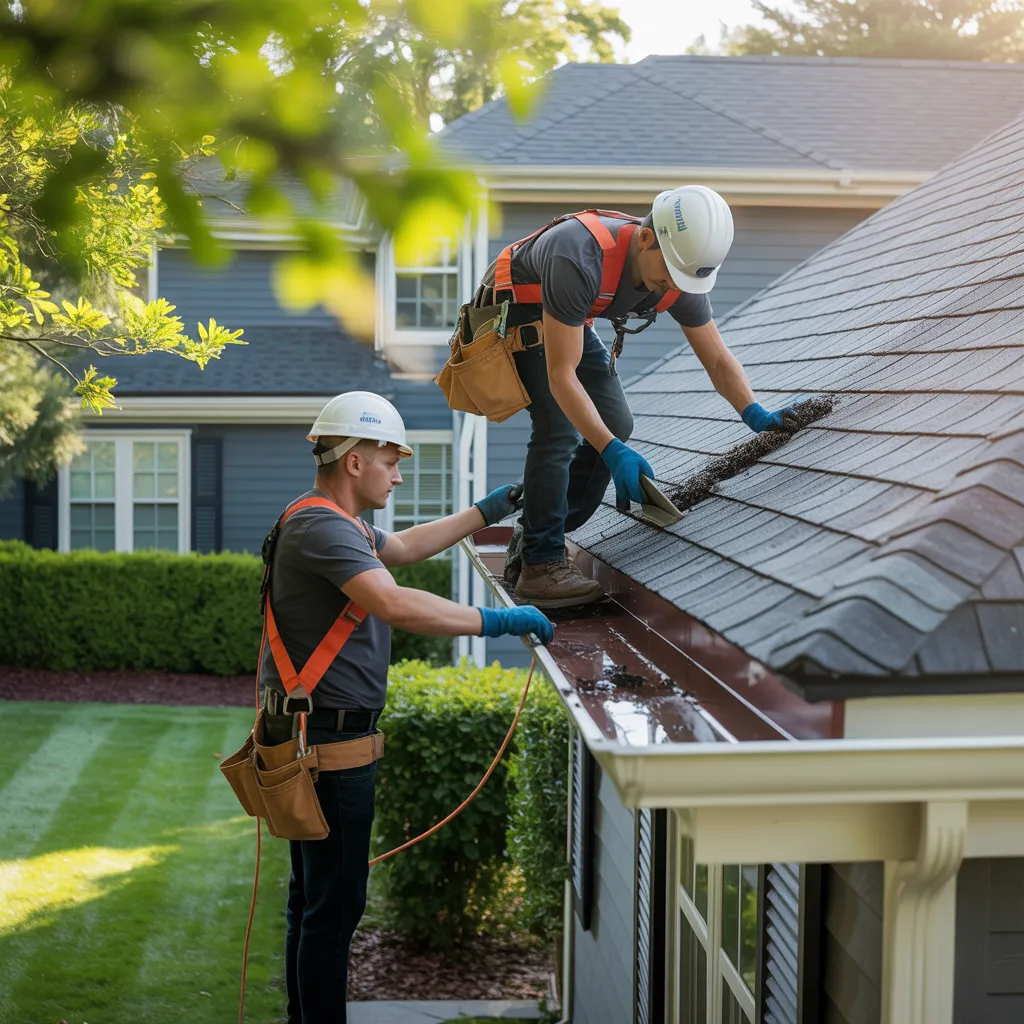
Furthermore, systematic cleaning of gutters and downspouts prevents water buildup, which can result in leaks and structural damage. Maintenance and sealing of flashing are also crucial components, ensuring that seams and joints remain watertight.
Property owners enjoy personalized maintenance plans specifically created for their individual roofing materials and environmental conditions. By engaging in preventive maintenance, they not only preserve their property but also improve its value. All things considered, these services provide peace of mind, knowing that the roof remains in prime condition throughout its intended lifespan.
Urgent Roofing Services
Unforeseen roofing issues can arise despite meticulous preventive maintenance, requiring prompt emergency roofing solutions. Such emergencies commonly include major leaks, storm damage, or structural failures that can threaten the integrity of the home. Professional roofing experts provide quick assessments to evaluate the extent of the damage and recommend swift repairs.
These technicians are qualified to deal with multiple situations, from patching leaks to replacing damaged shingles, ensuring that the home remains secure and protected. They recognize the urgency of these situations and focus on swift response times to mitigate further damage. Additionally, emergency roofing services often include provisional measures, such as tarping, to prevent water intrusion until long-term fixes can be implemented.
Homeowners can have peace of mind knowing that expert roofing professionals are ready to manage emergency roofing issues, permitting them to focus on rebuilding without the additional burden of roof-related issues.
Roof Improvements and Renovations
Putting money into roof upgrades and renovations can substantially increase a home's value and energy efficiency. Homeowners commonly seek to enhance their roofs for several reasons, including aesthetic appeal, durability, and insulation. Upgrading to modern materials, such as metal or energy-efficient shingles, can considerably reduce heating and cooling costs. Moreover, renovations might involve adding insulation or ventilation systems, further optimizing energy use.
Roofing professionals can offer valuable insights on current trends and technologies in roofing. They examine the current state of the roof and recommend appropriate upgrades adapted to the homeowner's needs. In addition, renovations can include building upgrades, prolonging the lifespan of the roof and reducing the likelihood of future repairs. By emphasizing roof upgrades, homeowners not only put money into their property but also participate in sustainability efforts, making their homes more eco-friendly while reaping the rewards of a properly maintained roofing system.
Questions & Answers
What's the Best Way to Pick Roofing Material for My Home?
Selecting the right roofing material entails examining weather conditions, longevity, aesthetics, and budget. Researching options like asphalt shingles, metal, or tile can help homeowners make informed decisions suited to their particular needs and preferences.
How Long Can You Expect a Roof to Last?
Roof longevity differs depending on the material used; asphalt shingles last 15-30 years, metal roofing can remain functional for 40-70 years, and tile and slate roofing systems often outlast 50 years, depending on maintenance and environmental factors.
How Often Should Roof Inspections Be Scheduled?
Homeowners should schedule roof inspections at least two times annually, ideally in the spring and fall seasons. Furthermore, inspections are encouraged in the aftermath of severe weather occurrences to detect potential damage and ensure the roof's durability and lifespan.
Will Homeowners Insurance Pay for Roofing Services?
Roofing services may be covered by homeowners insurance, depending on the particular policy details and situation. It is advisable for homeowners to assess their coverage details and consult with their insurance company for clarification on individual claims.
What Steps Should I Take if My Roof Begins Leaking?
When a roof starts to leak, one should immediately address the water damage, move possessions, and call a professional roofer for evaluation and restoration. Quick action can prevent greater damage and costly repairs.